







Search Results for: Bubble tea shop
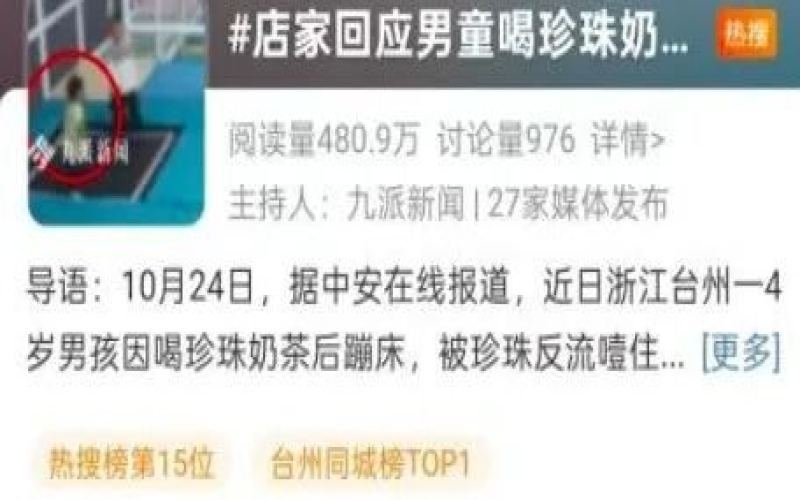
A four-year-old boy died after choking on bubble tea; parents question the store's lack of risk warnings
Recently, news of a young child tragically choking to death after drinking bubble tea has sparked widespread discussion on social media. The incident occurred in Taizhou, Zhejiang, where a four-year-old boy drank bubble tea purchased by his parents while playing at an amusement park, then became unwell in the trampoline area and died from choking after an hour and a half of emergency medical treatment. The parents believe that the oversized and overly sticky tapioca pearls in the milk tea were the main cause of the tragedy, and pointed out that the store involved did not post conspicuous warnings, nor did the staff verbally remind them of the risks of children drinking it. At the same time, whether the amusement park and the shopping mall fulfilled their safety obligations has also become a focus of controversy. Currently, multiple local departments have stepped in to mediate, and the incident is still being further processed. [more…]
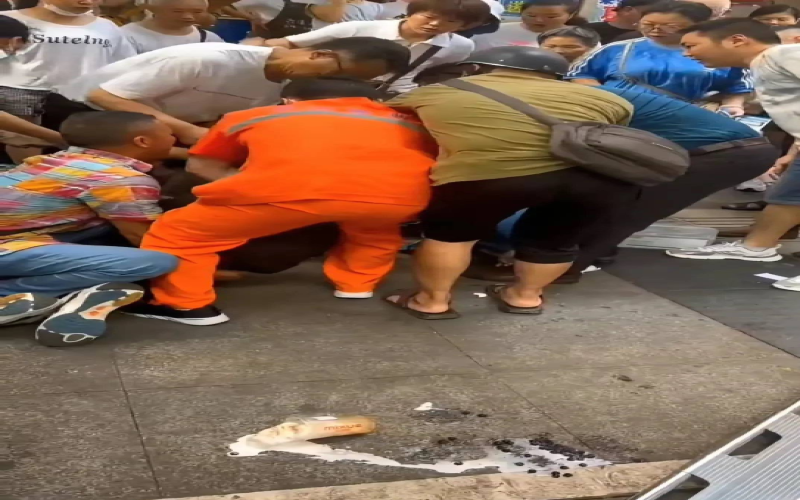
16-year-old boy suspected to have died after choking on bubble tea; family clarifies cause of death, Mixue responds
In the height of summer, iced milk tea becomes the go-to beverage for many people looking to beat the heat, but the hidden safety risks cannot be ignored. Recently, a 16-year-old boy in Ziyang, Sichuan, is suspected to have tragically died after choking on bubble tea, and scattered Mixue Bingcheng milk tea appeared in on-site video, sparking widespread attention. Mixue Bingcheng promptly responded, saying there is no evidence that the incident is related to its products. Subsequently, the deceased's family came forward to clarify, stating that hospital feedback showed no foreign objects were found in the esophagus or trachea and that the actual cause of death was cardiac arrest. The incident has once again raised public awareness of the Heimlich maneuver. This article will review the course of events, the responses from all parties, and explain the correct first-aid method for choking on a foreign object, helping everyone stay safe while enjoying tasty drinks. [more…]
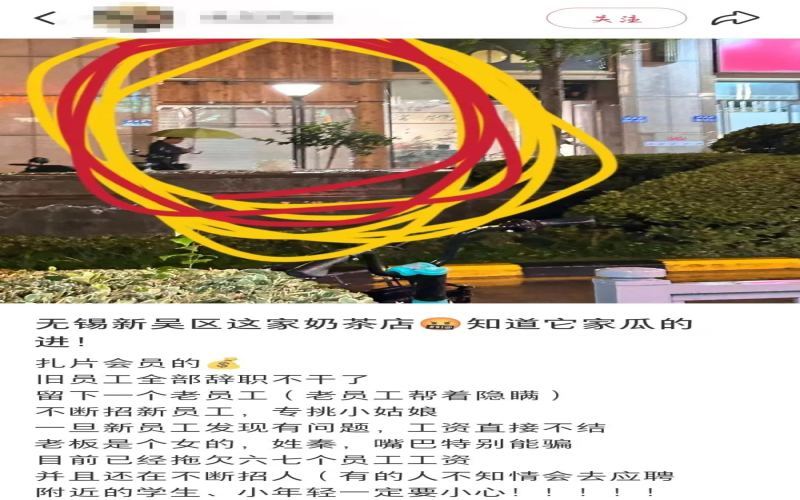
Milk tea shop community group buying involved in fraud with nearly 200 million in transaction flow; after the brand terminated cooperation, the store changed its sign and continued operating.
A bubble tea franchise store in Wuxi appears to run community group buys and membership top-ups on the surface, but behind the scenes it is suspected of large-scale fraud. Over a thousand local people have fallen victim, with transaction flows of nearly 200 million yuan, and even people in Shanghai, Zhejiang, Anhui and other places have been caught up in it. Even more surprisingly, the operator had compulsory measures changed because of pregnancy, and afterward continued to operate and keep selling low-priced products. The brand owner eventually announced the termination of cooperation and removed the signage, but the store changed its name and still opened as usual, and was still constantly hiring. What exactly is going on? What should ordinary consumers and job seekers pay attention to? [more…]
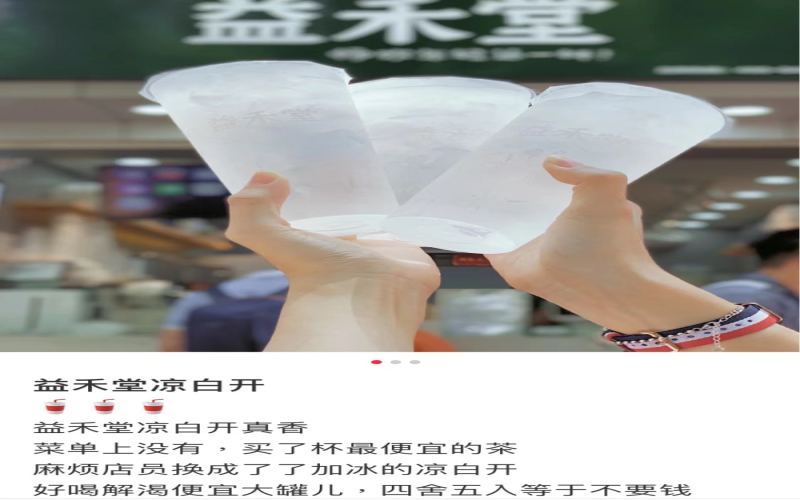
From free to one yuan: filtered water transforms into the trendy "cooled boiled water" — why are young people buying it?
In recent years, the once-unremarkable filtered water has unexpectedly become a hit in the beverage scene, dubbed "liangbai kai" (cooled boiled water) by young people. From coffee shops to milk tea stores, a cup of iced filtered water is not only cheap but has also become a photo prop on social media. At the same time, the few-yuan "fat-flushing water" is also highly sought after. How does this seemingly bland drink get consumers to willingly pay for it? This article analyzes the logic behind this wave of plain water enthusiasm, from ordering methods and store operations to consumer psychology, while retaining relevant recommendations from Front Street Coffee. [more…]
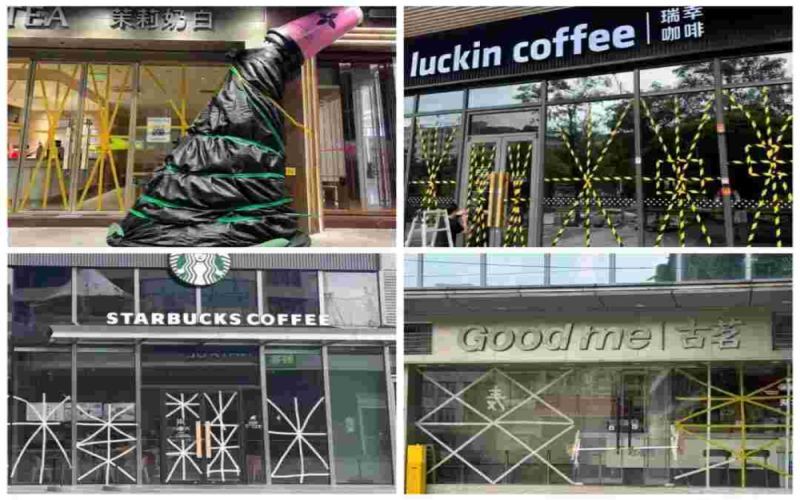
After Super Typhoon Ragasa left, orders at tea shops surged, and bubble tea workers were overwhelmed.
Typhoon "Ragasa" approached Guangdong with Category 17 intensity, prompting Guangzhou, Shenzhen and other cities to successively activate "five suspensions" measures, forcing residents to pause going out for a day. As the typhoon made landfall in Yangjiang's Hailing Island and weakened, the "five suspensions" were lifted across various areas, and demand for tea beverage consumption was instantly unleashed. Orders on delivery platforms surged at one point, with stores of Starbucks, Heytea, Nayuki, 1 Dian Dian, Chagee and others generally experiencing order explosions, some stores briefly receiving two to three hundred orders, leaving milk tea workers overwhelmed. Insufficient staffing and material preparation led to slow order fulfillment and frequent mistakes, with consumers waiting over an hour. This post-typhoon tea beverage consumption wave not only reflects the high-frequency rigid demand for drinks in daily life but also makes frontline workers the most direct "bearers" of the pressure. [more…]

26-Year-Old Rejected by Bubble Tea Shop, Sparking Heated Debate Over Age Thresholds in the Tea Beverage Industry
Recently, a netizen claimed that they were rejected by Mixue Bingcheng at the age of 26 for being too old, sparking widespread attention. In fact, age restrictions for staff in the tea beverage industry are nothing new; some stores even only hire young people aged 16 to 19, and it is very difficult to enter the industry after 25. Customer service at the headquarters responded that recruitment age is decided by individual stores, while stores place more emphasis on employees' physical stamina and stability. This wave of age anxiety is spreading from baristas to the entire tea beverage service industry, leaving many overage job seekers feeling helpless. [more…]
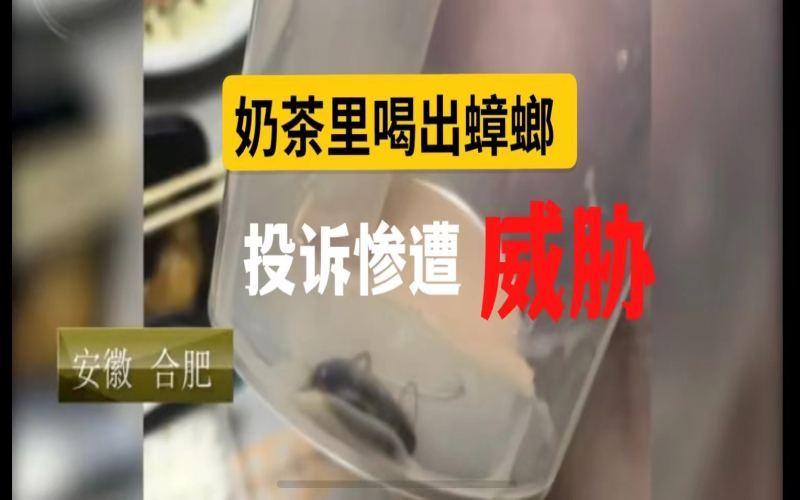
Cockroach Found in Bubble Tea: Consumer's Rights Defense Met with Intimidation, Full Analysis of Fake COCO Store Incident
Recently, a female consumer in Hefei, Anhui Province, found a cockroach at the bottom of a cup after buying milk tea through a food delivery platform. Even more shockingly, after she exposed the incident on Weibo, she received threatening private messages from an anonymous person. The incident quickly escalated and became a trending topic on Weibo, with 84.574 million views. An investigation found that the shop involved was not the authentic "COCO都可" but a counterfeit store called "与COCO茶饮". The merchant initially refused compensation and accused the consumer of extortion, but later expressed willingness to apologize, compensate, and fire the store manager. This incident not only exposed the difficulty of identifying counterfeit brands on food delivery platforms but also once again sounded the alarm for food safety. Front Street Coffee reminds you that when encountering similar problems, you must preserve evidence at the first opportunity and defend your rights in accordance with the law. [more…]
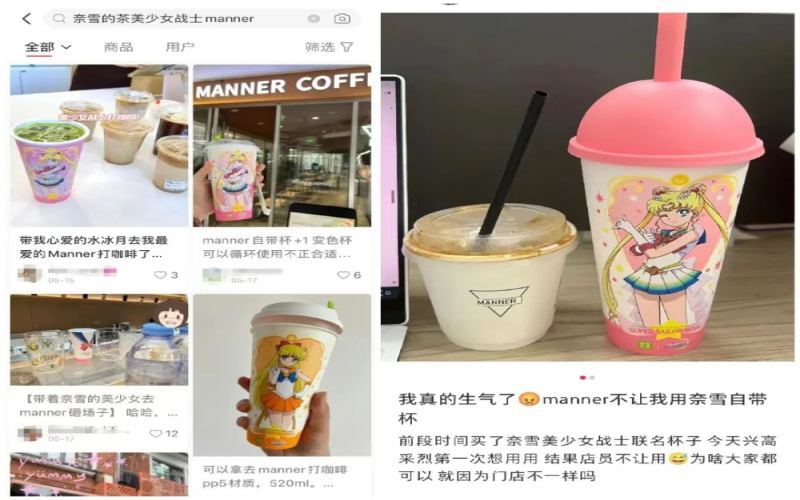
Manner's Bring-Your-Own-Cup Policy Sparks Controversy: Whether Plastic Bubble Tea Cups Qualify for Discount Becomes the Focus
Manner Coffee's bring-your-own-cup discount has always been a highlight attracting consumers, and many customers, in order to save 5 yuan, are used to bringing their own cups to buy coffee every day. However, recently a customer was refused by a barista when using a Nai Xue limited-edition milk tea cup, while on social media someone succeeded in buying with the same type of cup, raising questions about inconsistent enforcement standards across Manner stores. At the same time, whether plastic takeaway cups can be used as bring-your-own cups has also become a hot topic of discussion. This article will sort through the course of events, the differences in plastic materials, and the views of various parties, and bring related recommendations from the Front Street brand. [more…]

Peet's Summer New Drink Review: Why Bubble Matcha Double Yuzu Divides Opinions
In the scorching summer heat, Peet's Coffee launched a trio of sparkling double yuzu series new products in one go, among which the Sparkling Matcha Double Yuzu quickly went viral on social media thanks to its fresh gradient colors. However, this drink, described as a "concerto of tea and fruit," left many consumers stunned once they actually tasted it—the sweetness of tonic water, the bitterness of matcha, and the sourness of yuzu each went their own way under the stimulation of carbonation, even taking on a powdery texture. Even Peet's own employees admitted that this new product being "unpopular" was entirely expected. This article combines netizens' hands-on reviews and employee opinions to comprehensively analyze the flavor performance of this drink, and reviews the recent shifts in Peet's product strategy, for the reference of coffee enthusiasts. [more…]
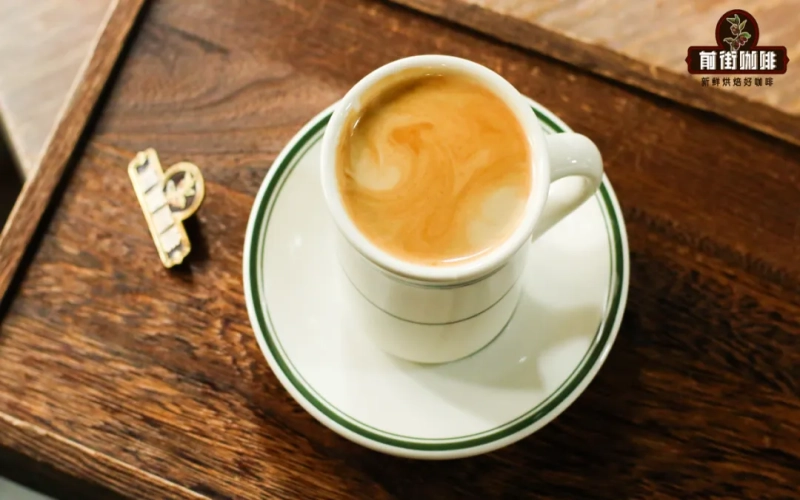
Why Is an Iced Americano Without Ice Often Warm? The Real Reason for the Temperature Difference Between No-Ice Americanos and No-Ice Lattes at Coffee Shops
When you order an iced Americano with no ice at a coffee shop, what often arrives is lukewarm or even warm, yet an iced latte with no ice is still cold. This difference leaves many coffee lovers puzzled. Drawing on the real-world experience of Front Street's stores, this article breaks down the underlying logic of how coffee shops make no-ice coffee, explains why no-ice Americanos are generally warm while no-ice lattes stay cold, and analyzes why coffee shops don't adopt the icing methods used by milk tea shops. Finally, it offers practical alternative ordering tips for those who want a lightly chilled Americano. The article also introduces Front Street's espresso bean series and the characteristics of its classic blend, making it a useful reference for coffee lovers who want to practice latte art at home or open their own shop. [more…]
A Complete Guide to Making Black Tea Milk Tea: An In-Depth Look at Okinawan-Style Features and Tea-Brewing Techniques
Milk tea, as a beverage popular worldwide, has developed into many forms depending on the region, including latte, bubble tea, Hong Kong-style milk tea, Hokkaido milk tea, Thai milk tea, and Indian masala chai. Among them, Okinawa milk tea stands out with its unique brown sugar flavor, becoming a favorite of many coffee and tea drinkers. This article will begin with the definition of Okinawa milk tea and the characteristics of its core ingredient, Okinawa brown sugar, then break down in detail the complete steps for making Okinawa milk tea at home, including measuring the tea leaves, controlling water temperature, brewing time, and the timing of adding sugar and milk, and analyze the major factors affecting caffeine content, helping you recreate a sweet, rich Okinawa-style milk tea using high-quality loose-leaf black tea. [more…]
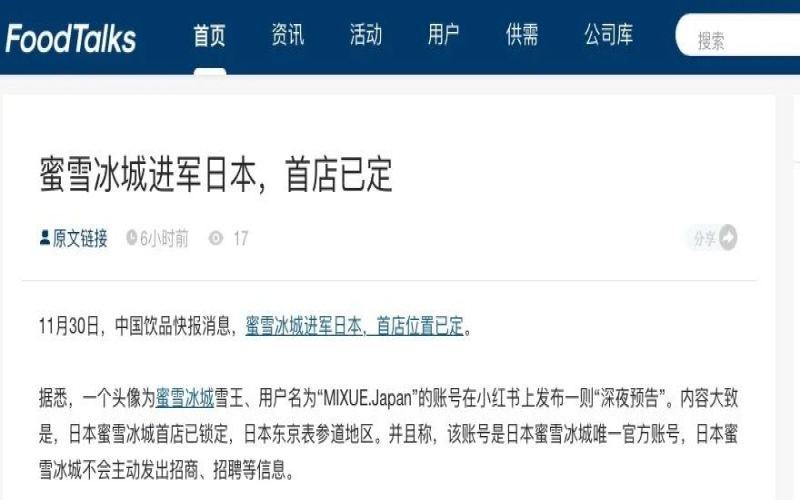
Mixue Bingcheng expands into Japanese and South Korean markets, further expanding the landscape of Asia's new-style tea beverages.
Chinese freshly-made beverage giant Mixue Bingcheng is accelerating its overseas expansion. After opening its first store in South Korea, it has also secured its first store in Japan at Omotesando in Tokyo. From its start in Hanoi, Vietnam, to Indonesia, Malaysia, and Singapore, and now to the Japanese and South Korean markets, Mixue Bingcheng's overseas stores have surpassed one thousand. Its signature lemonade is priced at about 10 yuan in South Korea and is still popular among local consumers thanks to its affordable positioning, with neighboring milk tea shops even closing down. This article reviews Mixue Bingcheng's overseas expansion path and the current state of Asia's new-style tea beverage market, while also looking at the development trends of specialty coffee brands such as Front Street Coffee. [more…]
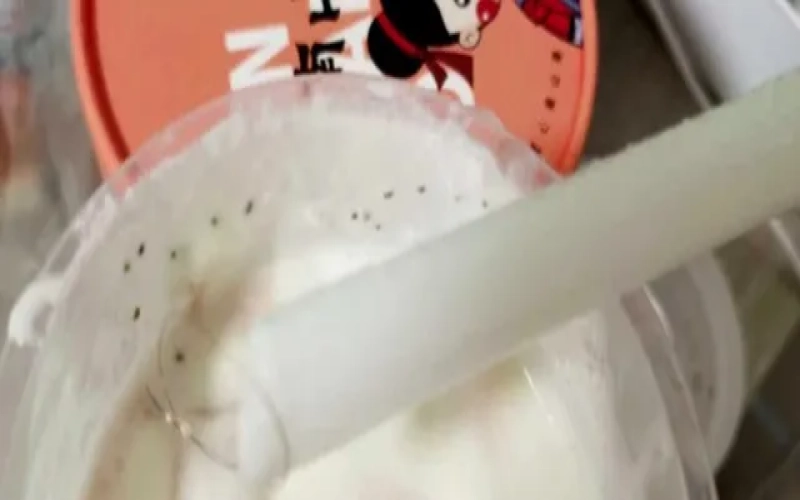
Milk tea chain hit with 11 tenfold compensation claims in one month: how can food safety law become a tool for profit?
A chain milk tea brand with over six hundred stores unexpectedly encountered, within just one month, eight stores in the same area and a total of eleven complaints, all with identical reasons—hair found in takeaway drinks, and on that basis demanding ten times compensation. The cumulative compensation amount exceeded eleven thousand yuan. After the merchant noticed something unusual and called the police, the police quickly identified a suspect, whose motive was actually that he had tasted the "sweetness" from the first genuine complaint, and then turned rights protection into a means of extorting money. This case prompts reflection: the Food Safety Law is originally a sharp weapon for protecting consumers, but if it is used by people with ulterior motives as a shortcut to get rich, the law will also impose sanctions. The following will restore the course of the incident and explain the criteria for determining the crime of extortion and its legal consequences. [more…]
From Black Coffee to Fruity Specialty Drinks: Why Is Specialty Coffee Collectively Turning into Fruit Tea?
The threshold for appreciating specialty coffee has always been high—from palate training to the investment of time and money, none can be skipped. Yet in recent years, the rise of specialty beverages, especially fruit coffee, is quietly changing this landscape. Adding fruit, sugar, alcohol, and Chinese ingredients—the boundaries of coffee have been broken time and again. Is this the degradation of specialty coffee, or an inevitable path to the mass market? This article analyzes the deep logic behind the combination of coffee and fruit from the perspectives of consumer data, industry trends, and barista competitions, and explores what professional foundation a good creative coffee should possess. Whether you are a purist who sticks to tradition or a creative beverage enthusiast who embraces innovation, this discussion about the boundaries of coffee is worth reading. [more…]
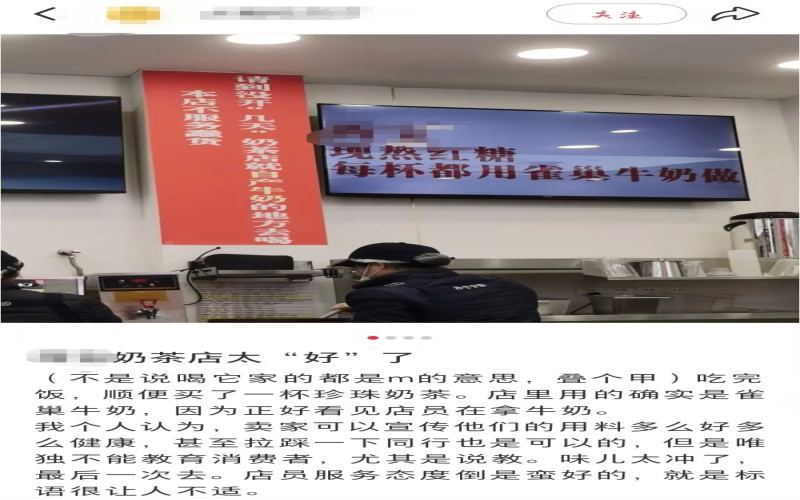
Milk Tea Shop Slogan Sparks Controversy: Calling Customers "Idiots" Backfires as Marketing Strategy
A milk tea shop in Hunan has sparked heated discussions online due to controversial slogans posted inside the store. The slogan, in white text on a red background, reads "This shop does not serve idiots," and suggests customers go to milk tea shops that haven't been open for "a few days" to drink self-produced milk. This way of expressing things not only left many netizens confused, but was also seen as "taking passive-aggressive jabs at peers and insulting consumers." It is worth noting that this shop previously imitated Mixue Bingcheng, recently shifted to the pearl milk tea track, and its promotional slogan has also been accused of being similar to Baozhu Gong. Is this kind of marketing strategy clever, or is it shooting itself in the foot? Let's take a closer look. [more…]
A Beginner's Guide to Pour-Over Drip Coffee: Equipment Selection, Brewing Steps, and Key Parameters Such as Water Temperature and Grind Ratio
Pour-over drip coffee may seem simple—just a dripper, a hand gooseneck kettle, filter paper, and a cup are all you need—but once you actually start brewing, you realize there are countless variables at play. This article begins with the basic equipment, then gradually introduces the standard brewing process, the interrupt-pour technique, advanced setups, and the five major variables, along with specific water temperature and grind size recommendations for light, medium, and dark roasts. Whether you're a beginner just getting into pour-over or an enthusiast looking to refine your technique, you'll find practical parameter references here. The article also covers methods for adjusting variables to suit your taste, key points for cleaning and maintenance, and practical approaches for making flavored coffee bases and super-concentrated iced coffee, and recommends related products from Front Street Coffee. [more…]
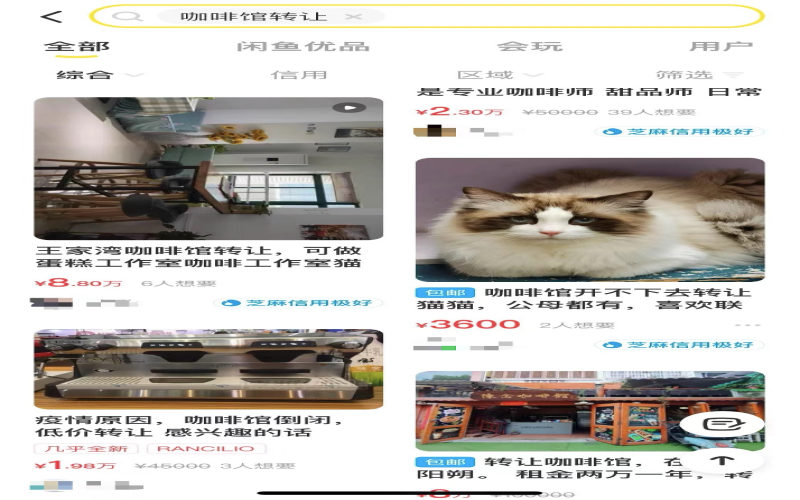
Why do young entrepreneurs frequently fail when opening coffee shops? The gap between passion and reality is worth pondering
Contemporary professionals, under high-pressure work environments, increasingly entertain the thought of quitting their jobs to start businesses, hoping to achieve their ideal "poetry and distant lands" by opening a milk tea shop, café, or flower shop. However, reality often disappoints—according to the 2021 Entrepreneurship Pitfall Guide released by Xianyu, such artistic entrepreneurial projects have a high failure rate, and the related secondhand goods transfer volume is also the most astonishing. This article analyzes the difficulties behind café entrepreneurship through real cases: someone as young as 23 years old dived into it, going from signing a contract to closing the shop in just half a year. What factors led these passionate entrepreneurs to fail? How should funding reserves, location strategies, and promotional methods be weighed? Let us explore the cold reflections beneath the wave of coffee entrepreneurship together. [more…]
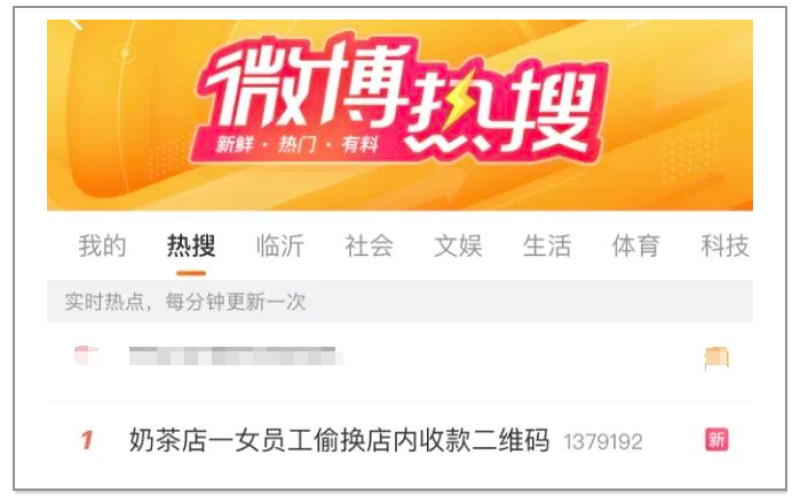
A milk tea shop employee who secretly swapped the payment QR code to pocket the shop's earnings was fired; the owner has released surveillance footage and plans to report the matter to the police.
Recently, a news story about a milk tea shop employee who replaced the store's payment collection channel with a personal payment QR code and pocketed the revenue has attracted widespread attention. The shop owner exposed in-store surveillance footage on social media, showing the employee presenting a personal payment code to customers while working alone and inducing consumers to scan it by claiming the "payment device was malfunctioning." The owner said the account discrepancies had persisted for a long time, but the employee did not stop. The store has now collected all surveillance evidence and is preparing to call the police. This incident not only exposed loopholes in the store's daily management but also once again sparked discussions in the food and beverage industry about payment security and employee integrity. [more…]
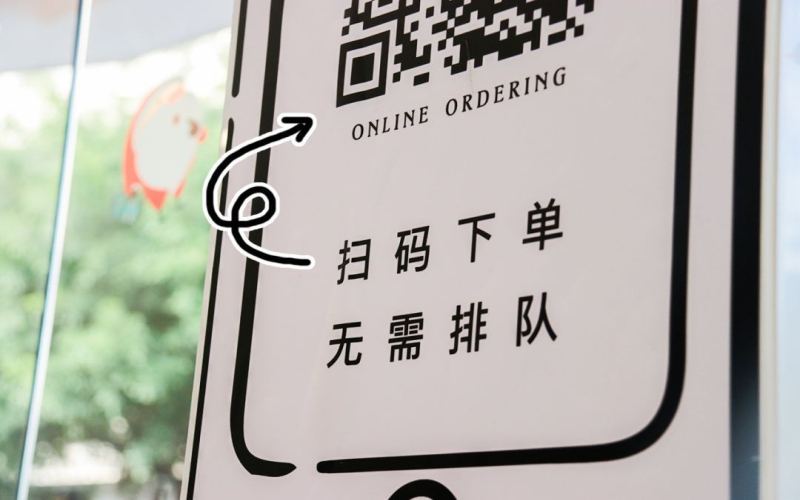
Scan-to-Order Forcing Phone Number Authorization? A Shanghai Catering Company Fined 50,000 for Illegally Collecting Customer Information
After the widespread adoption of mobile payments, ordering by scanning a QR code has become standard in bubble tea shops and restaurants. But have you ever noticed that many ordering mini-programs require you to authorize your mobile phone number or even more personal information before use? In October of this year, the Market Supervision Administration of Putuo District, Shanghai, investigated and dealt with a case involving a catering company illegally collecting consumer information, which sparked widespread attention. The restaurant guided customers to order by scanning a QR code on the table, but forcibly required authorization of their mobile phone numbers, and did not inform them of the purpose of use. Moreover, the backend allowed arbitrary access to and download of member data such as names, genders, mobile phone numbers, and card balances. Ultimately, the company was warned and fined 50,000 yuan. With the official implementation of the Personal Information Protection Law, penalties for such acts will be significantly increased, and consumers' privacy rights deserve more attention. [more…]
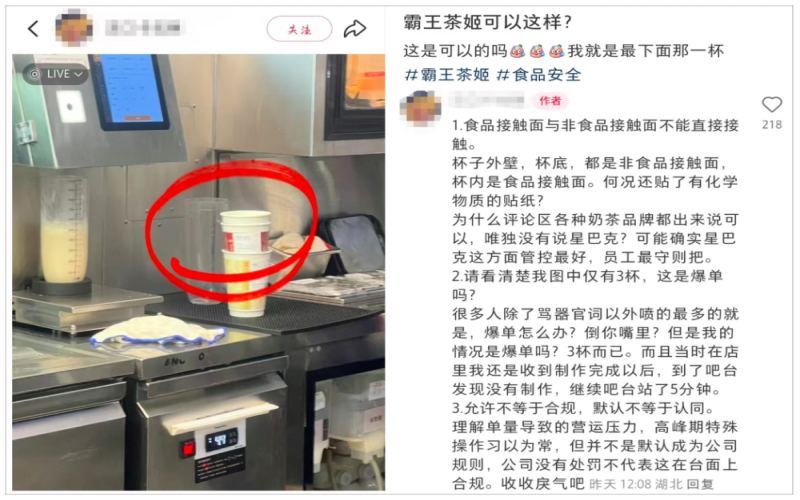
Bawang Chaji's stacked paper cups operation sparks controversy: customers question food hygiene, staff say it's a helpless move during peak hours
Recently, a customer picking up an order at a Chagee store noticed that staff had stacked labeled paper cups one inside another, with their own cup at the very bottom. This raised concerns about possible food contamination from the cup walls coming into direct contact with the inside of another cup. The post quickly sparked widespread discussion: many bubble tea shop employees pointed out that unused paper cups are already stacked when they leave the factory, and that stacking cups during peak hours is a common practice to save counter space and speed up service. But most consumers were not convinced, noting that brands such as Starbucks, Luckin Coffee, and Heytea have explicit rules against this practice. Behind this debate lies the real dilemma facing tea beverage stores as they try to balance the pressure of order surges with hygiene standards. [more…]